
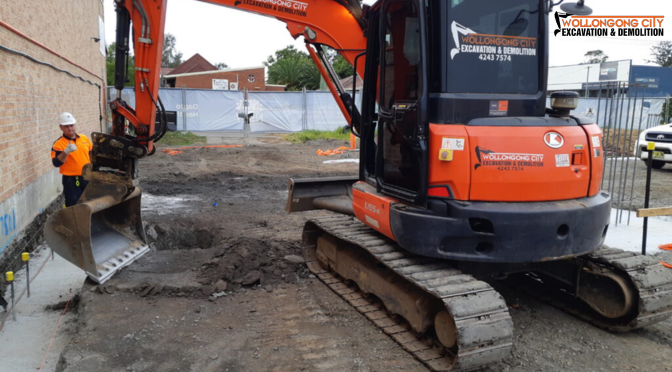
The construction industry is changing faster than ever, and sustainability is no longer just an ambition; it’s becoming the standard. Electric excavators are leading this shift by helping reduce emissions, lower operating costs, and create cleaner, quieter worksites. Whether you’re considering an excavator in Shellharbour for an urban project or exploring greener construction methods, electric machinery is proving that productivity and environmental responsibility can go hand in hand.
The direct answer? Electric excavators represent the future of zero-emission construction because they minimise environmental impact while delivering reliable performance, lower maintenance requirements, quieter operation, and greater efficiency for modern projects.
As governments, businesses, and communities place greater emphasis on sustainable practices, electric-powered equipment is becoming an increasingly practical choice across residential, commercial, and civil construction. Here are six compelling reasons why.
1. They Produce Zero On-Site Emissions
What makes electric excavators stand out from conventional machines?
Unlike diesel-powered equipment, electric excavators operate without producing exhaust emissions while working. This helps improve air quality on construction sites and supports environmental initiatives aimed at reducing carbon footprints.
Cleaner worksites also create healthier conditions for operators and nearby communities. As sustainability expectations continue to rise across Australia, zero-emission equipment allows construction projects to meet modern environmental goals without sacrificing performance.
The shift towards cleaner technology reflects a broader commitment to responsible construction practices that benefit both today’s projects and future generations.
2. Quieter Operation Creates Better Working Environments
Have you ever noticed how disruptive construction noise can be?
Electric excavators operate much more quietly than diesel-powered alternatives. Reduced engine noise makes them particularly valuable for projects near homes, schools, hospitals, and busy commercial areas where minimising disruption is essential.
Using an excavator in Unanderra equipped with electric technology can also support work in locations with stricter noise expectations, helping projects continue efficiently while maintaining consideration for surrounding communities.
Less noise doesn’t just improve neighbourhood comfort—it also creates a more pleasant working environment for machine operators and site crews.
3. Lower Running and Maintenance Costs Improve Long-Term Value
Operating heavy machinery involves ongoing expenses beyond the initial investment.
Electric excavators generally have fewer moving engine components than diesel machines. This means less routine servicing, fewer oil changes, reduced wear on mechanical parts, and potentially lower maintenance costs over time.
Businesses looking for an excavator in Shellharbour are increasingly recognising that reduced fuel consumption and simplified maintenance can contribute to improved operational efficiency throughout the equipment’s working life.
4. High Performance Without Compromising Productivity
Can electric excavators handle demanding construction work?
Yes. Modern electric excavators deliver impressive digging force, hydraulic capability, and operational precision for many construction applications. Continuous advancements in battery technology have significantly improved operating times and overall machine performance.
For many residential developments, infrastructure upgrades, demolition preparation, and civil works, electric equipment offers dependable productivity while supporting environmentally responsible construction practices.
The result is a machine that combines sustainability with the reliability professionals expect on site.
5. They Support Australia’s Growing Sustainability Goals
Environmental regulations and sustainability expectations continue to evolve across Australia’s construction sector.
Governments, developers, and contractors are increasingly prioritising equipment that helps reduce greenhouse gas emissions and supports cleaner infrastructure development. Electric excavators align with these objectives by contributing to lower environmental impact throughout project execution.
Choosing an excavator in Unanderra that incorporates electric technology reflects a forward-thinking approach to construction while preparing businesses for future industry expectations.
6. Future-Ready Technology Encourages Smarter Construction
Construction equipment is becoming more intelligent every year.
Many electric excavators integrate advanced monitoring systems that help operators track battery performance, energy consumption, maintenance schedules, and operational efficiency in real time. These digital capabilities support better planning, minimise downtime, and improve overall project management.
Professionals searching for an excavator in Shellharbour are also recognising the value of future-ready equipment that combines environmental responsibility with technological innovation.
Final Thoughts
Electric excavators are no longer just an emerging innovation; they’re becoming an important part of modern construction. By producing zero on-site emissions, reducing noise, lowering maintenance requirements, delivering reliable performance, supporting sustainability goals, and embracing smart technology, these machines are helping reshape how projects are completed across Australia.
As the industry continues to prioritise cleaner and more efficient solutions, electric excavators offer a practical way to balance productivity with environmental responsibility. Investing in greener equipment today can help create safer worksites, stronger communities, and a more sustainable future for construction.
Looking for a reliable excavator in Unanderra and Shellharbour? Wollongong City Excavation & Demolition delivers safe, efficient, and professional.


